Eleven business days. That is the average time for a private credit fund to onboard a single LP from initial documentation request to cleared subscription — based on the process timelines we observed across multiple mid-market credit fund operations. For a fund with 60 investors in a closing, that number compounds into a serious bottleneck that determines how quickly you can deploy capital and how many closes you can realistically run per year.
The 11-day figure is not because compliance officers are slow. It is because the workflow was never designed to run fast. Manual document collection, parallel review steps that end up sequential because of handoff delays, back-and-forth accreditation verification, sanctions screening on static databases — each step in isolation seems manageable. Together, they produce a 2-week process for something that could take hours with the right orchestration architecture.
Where the 11 Days Actually Goes
To understand why automation compresses the timeline so dramatically, it helps to map where the time goes. In a typical manual onboarding flow, the sequence looks something like this:
| Step | Typical elapsed time | Why it takes this long |
|---|---|---|
| Document request and collection | 1–3 days | Email back-and-forth; investor availability; document format issues |
| Accreditation verification | 2–4 days | Manual review of CPA letter or brokerage statement; questions to investor |
| AML/sanctions screening | 1–2 days | Manual search against OFAC, PEP lists; false positive resolution |
| Compliance officer review and approval | 1–2 days | Queued review; exceptions handling |
| Subscription document execution | 1–2 days | DocuSign turnaround; acknowledgment of receipt |
| Wire confirmation and account setup | 1–2 days | Bank confirmation; transfer agent registration |
Notice that almost every delay is a waiting problem, not an analysis problem. The actual compliance judgment — "is this investor eligible?" — takes minutes of human attention. The 11 days is largely elapsed calendar time while documents sit in inboxes or review queues.
The Orchestration Architecture That Compresses This
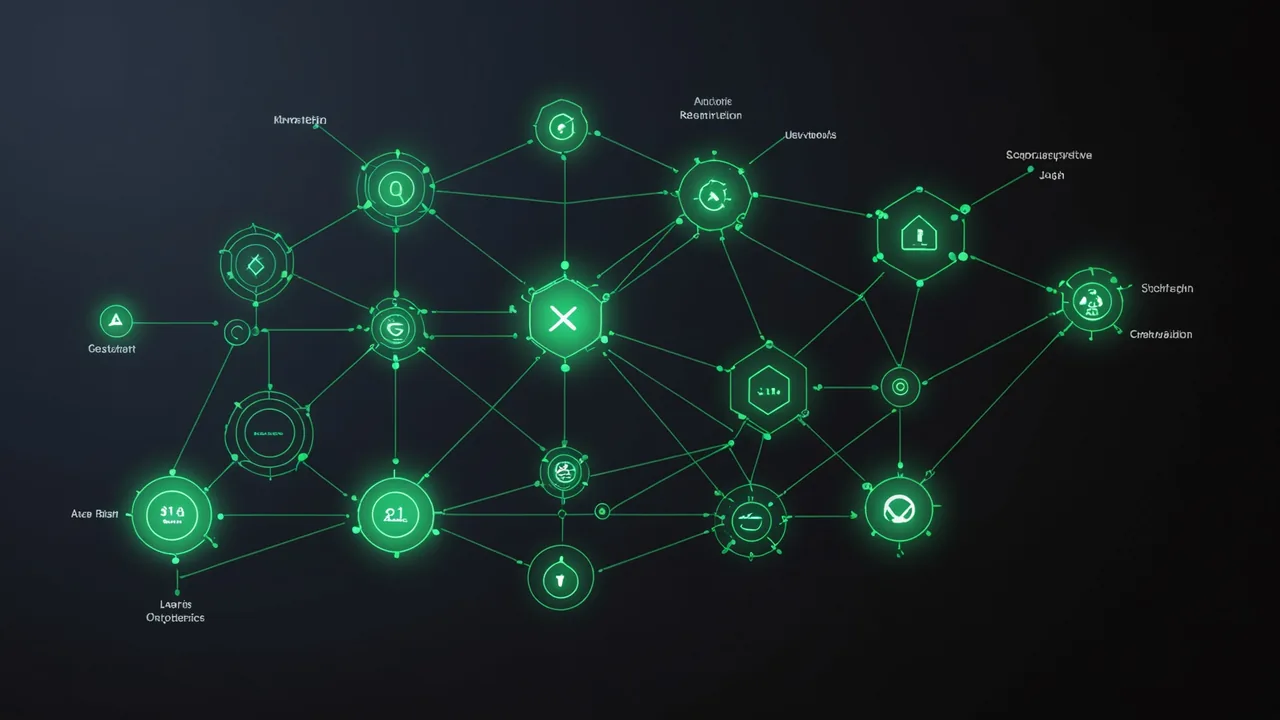
The core design pattern behind automated LP onboarding is KYC/AML orchestration: a layer that coordinates multiple verification services in parallel, routing investor data to each check simultaneously rather than sequentially, and surfacing results to a compliance officer only when automated resolution fails.
In the architecture we built at Capkindle, the orchestration flow works as follows:
An investor enters the onboarding portal and completes a structured intake form — name, entity type, jurisdiction, accreditation basis. The moment they submit, the orchestration layer simultaneously dispatches:
- An identity verification request to Persona — document scan, liveness check, database cross-reference
- An OFAC sanctions check against the Treasury's SDN list
- A PEP (politically exposed person) screening against commercial watchlist databases
- An adverse media check against indexed financial news sources
For accreditation specifically, the investor uploads their verification documentation — a CPA letter, a licensed broker-dealer confirmation, or a qualifying net worth attestation. Persona's document extraction pulls the relevant figures and dates automatically; an accreditation rules engine applies the applicable Reg D definition to determine if the documentation meets the threshold.
Most investors clear all checks within 30 to 90 minutes. The orchestration layer writes a signed claim to their on-chain identity contract (their ONCHAINID in ERC-3643 terms) — a tamper-evident attestation that this investor passed KYC/AML verification and holds verified accredited investor status as of a specific date.
The Human-in-the-Loop Model for Exceptions
A recurring concern from compliance teams when we describe automated onboarding: "What happens when something doesn't clear automatically?" The answer is not to remove the compliance officer — it is to radically reduce the volume of cases they need to touch.
In a fully manual process, every investor passes through human review as the default. A compliance officer reviews the documentation for investor 1, investor 2, investor 3 — regardless of whether there is anything to review.
In an automated orchestration model, investors who clear all checks programmatically are approved without human review. The compliance officer's queue contains only three categories:
- Sanctions hits requiring disambiguation. Common name matches against OFAC or PEP lists that need context to resolve — a name match that is a different person, a PEP association that is indirect. These require judgment, not data gathering.
- Documentation exceptions. Accreditation letters that are borderline — dated more than 90 days ago, from a non-CPA certifier, or with ambiguous income/net worth figures. These need a ruling.
- High-risk jurisdiction flags. Investors with business addresses or beneficial ownership in higher-risk jurisdictions that trigger an enhanced due diligence requirement under your AML program.
In our experience with funds running this architecture, exception rates for LP onboarding run between 8 and 15% of total investors. That means 85–92% of investors complete onboarding without any human review time. The compliance officer's job shifts from processing every investor to adjudicating a curated queue of genuine edge cases.
Continuous AML Monitoring vs. Point-in-Time Checks
One dimension of LP onboarding that often gets inadequate attention: it is not a one-time event. FATF guidance and the FinCEN AML program rules both require ongoing monitoring of customer relationships, not just initial screening. In a manual process, this typically means annual re-screening — which means the investor who was clean at subscription might appear on a sanctions list two years later and not be caught until the next annual cycle.
Automated orchestration makes continuous monitoring operationally viable. The same screening services that run at initial onboarding can run on an automated schedule — weekly, monthly, or triggered by watchlist update events — against the entire investor database. When a watchlist hit occurs, the system flags the investor for immediate review and, depending on your program's configuration, can automatically freeze transfer eligibility on-chain by marking the investor's attestation as suspended.
This is not hypothetical. Sanctions environments have become markedly more volatile since 2022. Funds that run only annual screening have material exposure windows. Continuous monitoring with automated watchlist triggers closes those windows without requiring additional compliance headcount.
What On-Chain Attestations Add to the Compliance Record
When an investor passes KYC/AML orchestration and their attestation is written to their ONCHAINID, several things become true that are not true under the manual model:
The verification result is timestamped and tamper-evident. No one can alter the record of what was verified and when. This is useful in a regulatory examination where you need to demonstrate that compliance checks were performed before a specific transaction.
The attestation is portable across deals on the same compliance infrastructure. An LP who onboarded for Fund I can be re-verified against a current attestation when subscribing to Fund II — a fresh attestation check triggers, but the investor's prior verification history informs the automated decision. For investors with current, unexpired attestations, re-KYC takes minutes, not days.
Transfer eligibility is machine-readable. When a secondary transfer is attempted, the ERC-3643 smart contract queries the investor's attestation status in real time. There is no human step between "does this investor have current compliance clearance?" and "can this transfer execute?" That closes the gap that exists in manual models where a transfer might be attempted before a compliance review has been completed.
Realistic Timeline With Automation
For investors who clear automated checks: onboarding completes in under 4 hours from portal submission. For investors who require exception handling: 24 to 48 hours, depending on the nature of the exception and investor responsiveness.
The 11-day average does not disappear because you hired faster compliance staff. It disappears because the architecture stops making humans the default processing layer for every investor who is, in fact, straightforwardly eligible.
That shift — from processing volume to exception adjudication — is what makes it possible for a 4-person compliance team to support an LP base that previously required a much larger back-office operation. The work becomes higher judgment, less repetitive, and more directly tied to the compliance outcomes that actually matter.